 CORNERSTONE
 WeChat
 WhatsAppCORNERSTONE
WeChatWhatsApp

We travel only with assets that endure through cycles

We host 15–20 events a year across Shanghai, Beijing, Shenzhen, Guangzhou, Nanjing, Hangzhou, Xi'an and Suzhou. City expos are open to the public; Private Salons, the HNW Wealth Summit and club events are by invitation only; Overseas Property Tours are arranged individually by family, and retreats and summer camps run alongside member families.
Half a day, six and a half hours. Registration at 13:30, opening address at 14:00, then five sessions in turn: asset management, residency, commercial investment, education, and relocation & travel. Roundtable at 18:10, dinner at 19:10. The event is not open to the public; entry is by invitation only.
Request an Invitation Agenda & DetailsOur largest format. Developers set up booths on site; visitors can look at each project and question it one by one, or book a private meeting. Held in Guangzhou and Shenzhen each year.
Book Your Visit Expo DetailsA deep dive into a single market or project—price, taxes, holding costs, renting and exit—covered thoroughly in one sitting. Ample time is set aside for questions, so you can get to the root of things.
Apply for Membership · Get InvitedVisit projects on the ground with your advisor, with meetings arranged for local lawyers, banks and developers. What you see is where a property actually sits, who lives nearby, and who it rents to—things no photo can show.
Ask About a Tour Itinerary & ArrangementsTournaments are held during the International Property Expo, with members grouped by city. On the course people talk less about products and more about the markets they are watching and what their families are planning next — real questions come out more easily than across a meeting table.
Apply for Membership · Get InvitedHeld in a natural setting or at a traditional yoga centre: meditation, breathing practice and yoga culture over three to five days. Members may bring family. No project presentations and no brochures — with the schedule left open, people actually unwind.
Apply for Membership · See DatesSummer camps arranged for members' children, hosted on local school and college campuses, with cultural activities beyond the classroom. Parents travelling along can look at homes near the school — education and where you live are the same decision.
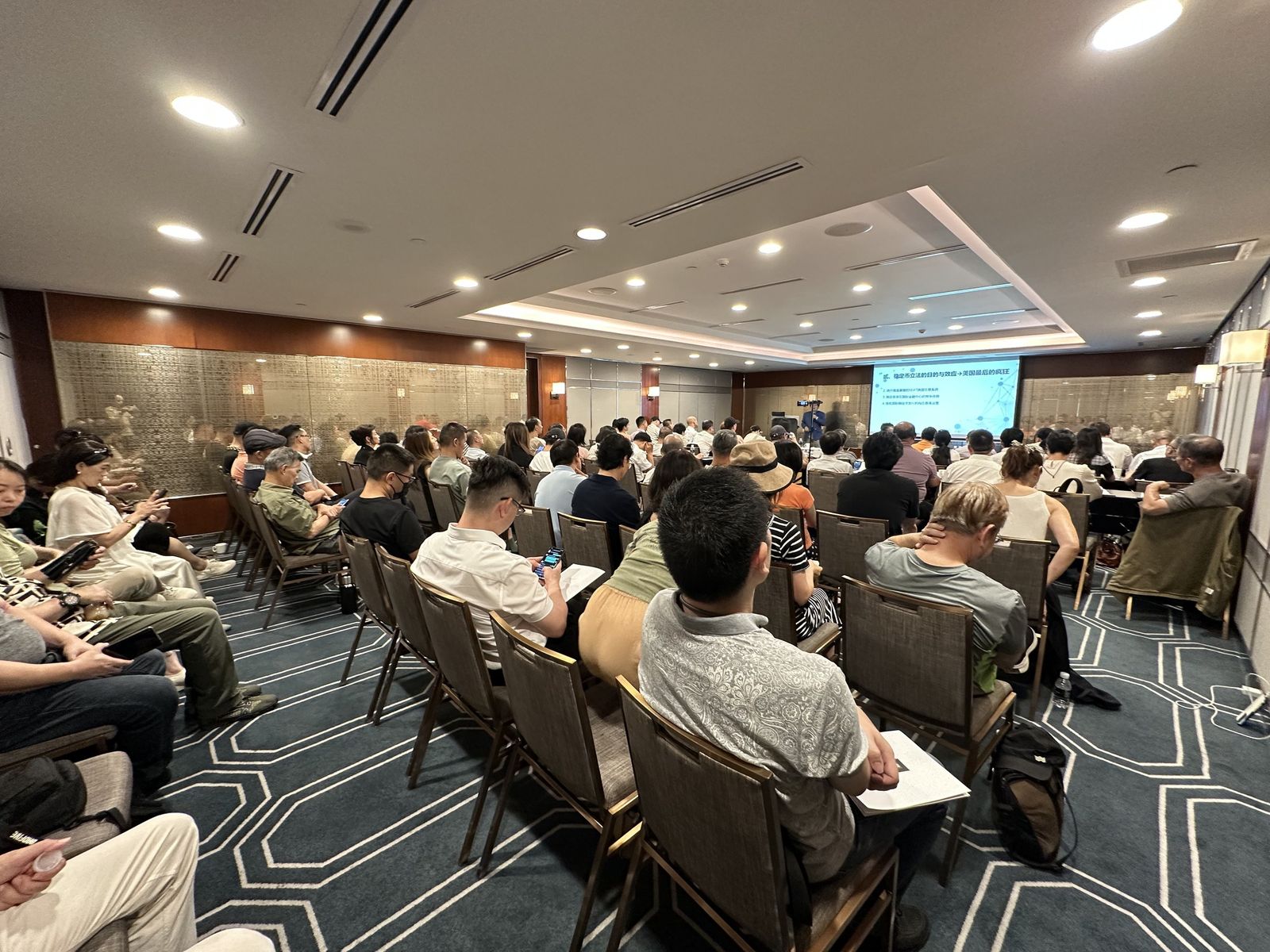
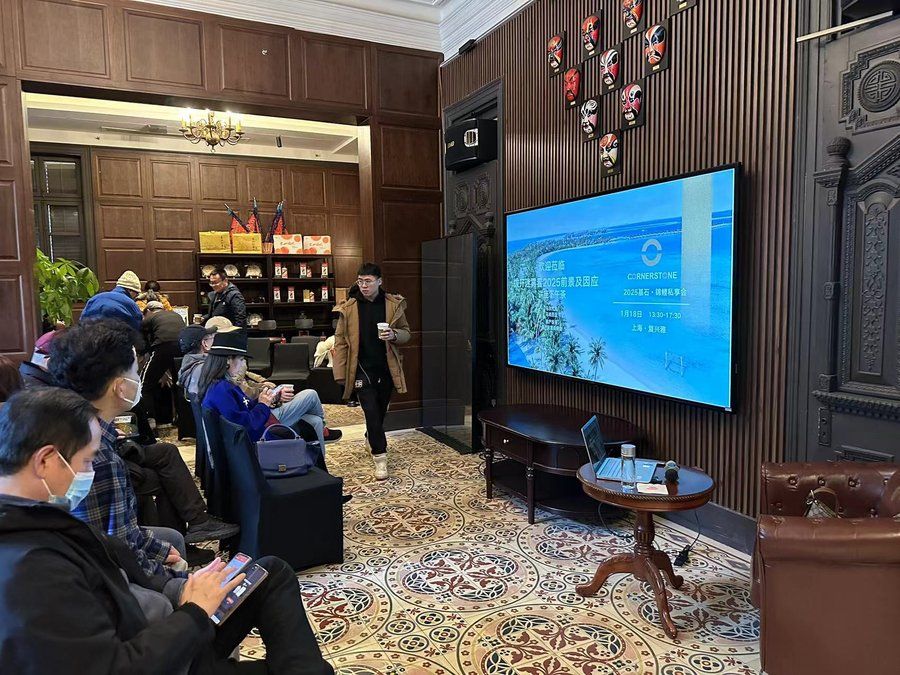
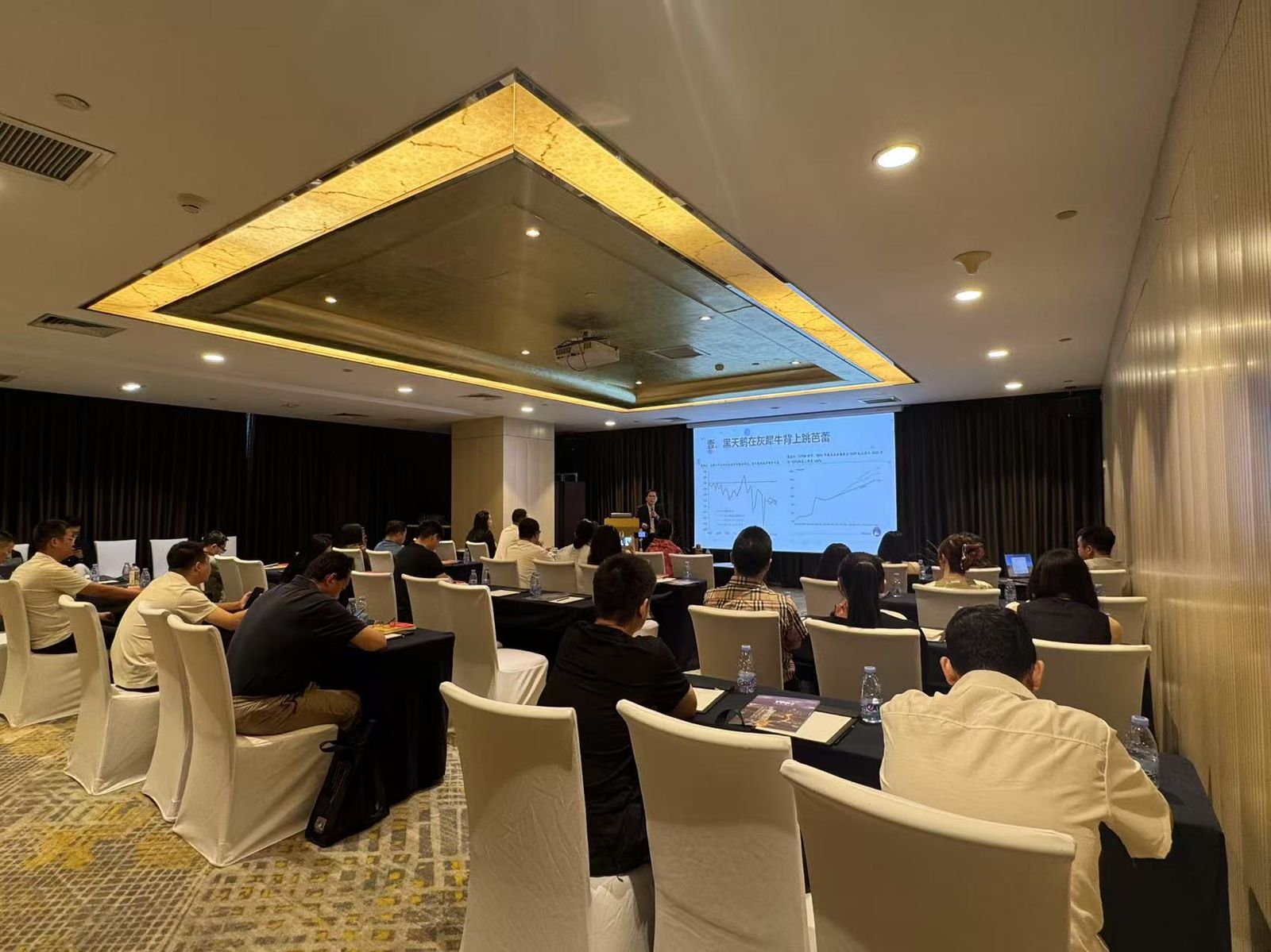
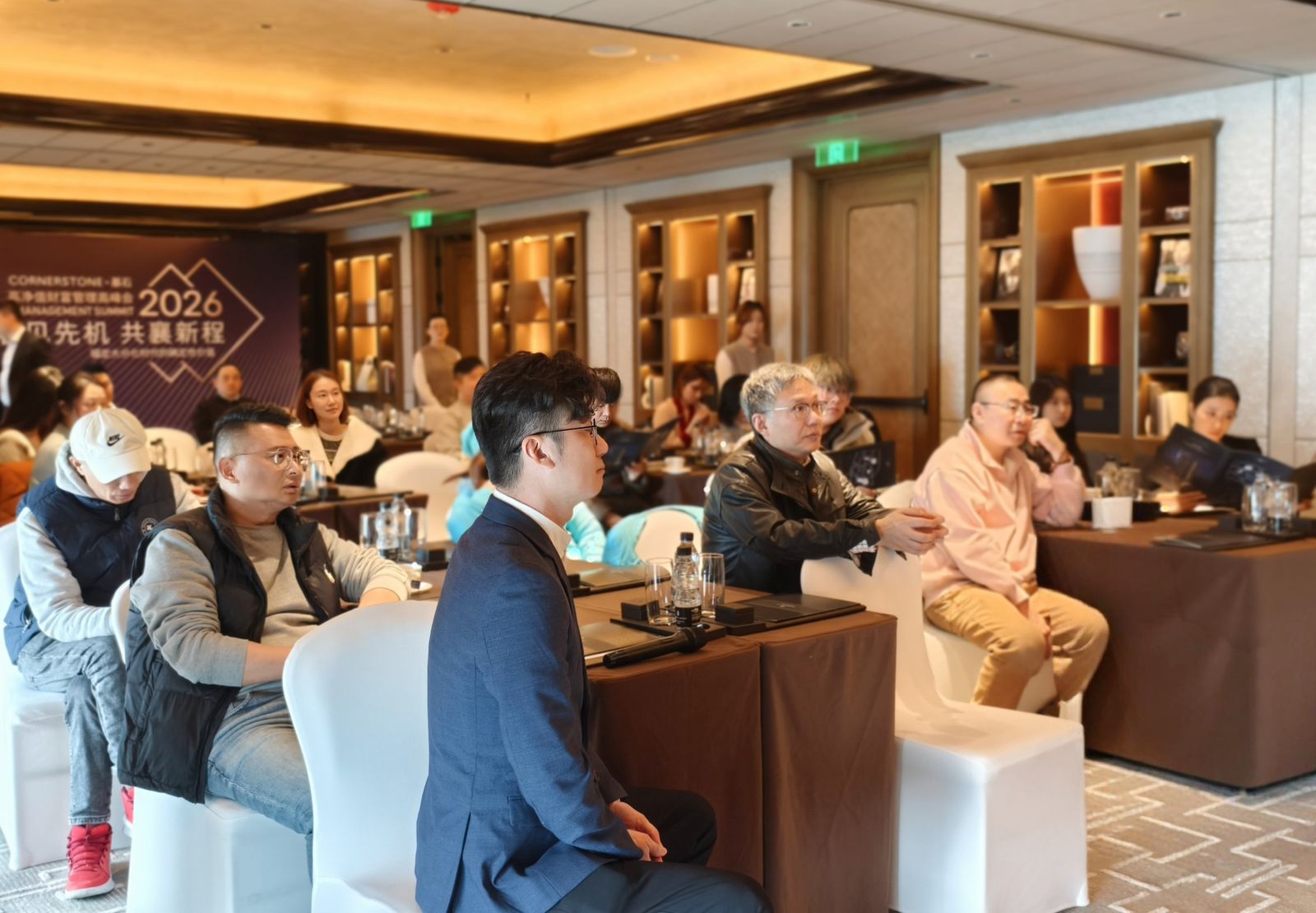
Consult DatesPhotos from past events, unretouched. Look at the room and you can see who attends and whether every seat is filled.
See PhotosOur projects come from major cities across Europe, the Middle East, Southeast Asia, North America and Asia-Pacific. Every project has been visited on the ground by our team and is handled through a locally licensed partner; prices and terms are presented as they are.
Mature education and rental markets; primarily long-term holdings
Closely tied to residency; well suited to whole-family planning
Tax-free holding, short rental and resale cycles, good liquidity
Close to home, lower entry costs; works for both holiday use and rental
Primarily for children's education and owner-occupancy
Clear title, transparent market; ideal for a first overseas purchase
HNW Membership is the membership system of our firm, operating on an invitation basis. Members are nominated by existing members or referred by partner institutions, reviewed, and then invited to join. Members enjoy priority seats at events throughout the year, as well as dedicated services across our five service lines.
Apply freely; after review and approval you are invited to join, renewed on an annual basis
Priority seats at 15–20 events a year, including the HNW Wealth Summit and Overseas Property Tours
One dedicated advisor coordinates all five service lines for you, with no change of contact throughout
In-depth introduction to a single market or project, 50–80 attendees per session, open to members only
Projects not yet on the public market are disclosed to members first, with priority arranged site visits
Once a year, your advisor walks you through the progress and plans across all five lines
Registered members, a decade in the making
3,000 clients · more than 1,000 families
Shanghai · Beijing · Shenzhen · Guangzhou
Nanjing · Hangzhou · Xi'an · Suzhou
15–20 a year
Each member works with one dedicated butler throughout. The butler coordinates the five service lines—asset management, residency, commercial investment, education, and relocation & travel—so you communicate with a single advisor while the butler arranges the professional teams behind the scenes.
Understand your family structure, asset distribution and schedule
Map out the path and sequence for each of the five lines, delivered as a written plan
The butler deploys the corresponding teams; you communicate only with your butler
Annual reminders for handover, renewal, tax filing, schooling and other matters
15,000 registered members, of whom 3,000 have become our clients and more than 1,000 families have completed cross-border allocations.
Partnership slots for 2027 are now open enquiries are welcome


Below are photos from our past roadshows, unretouched.
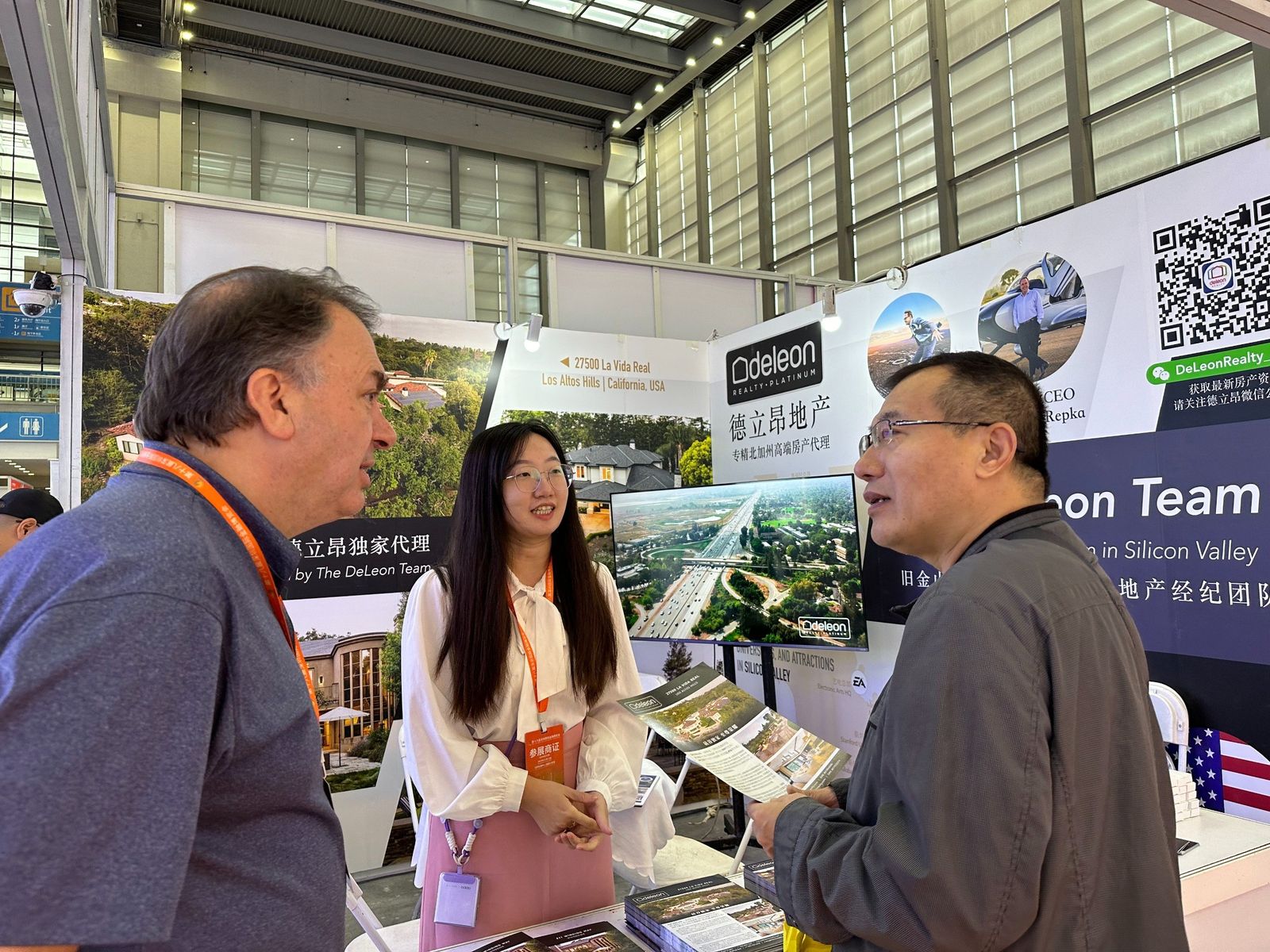
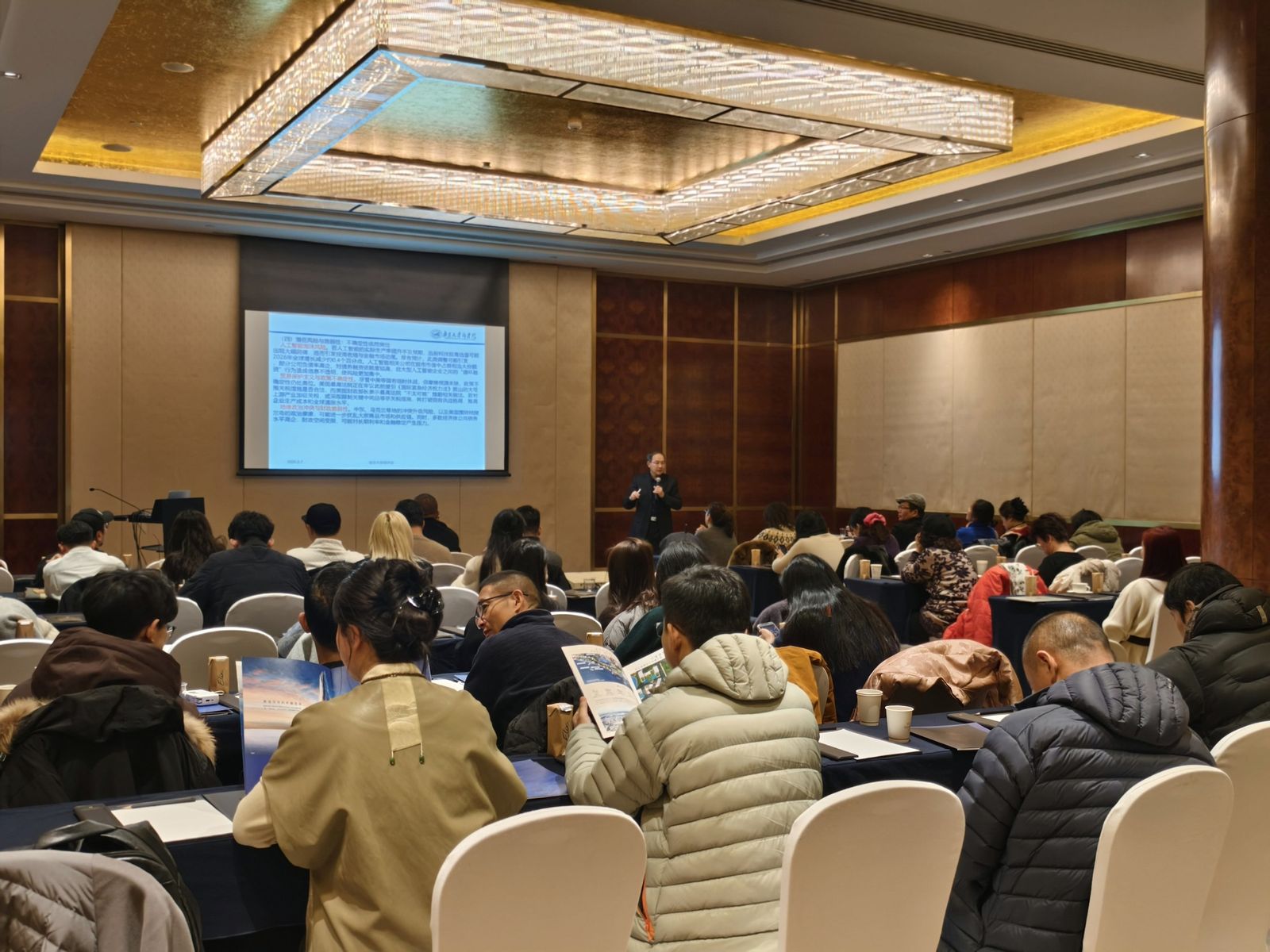
The shifts we see on the front line, and the questions clients ask most.
Over the past three years, the first question clients ask has changed. They used to ask "is this rising fast here"; now they ask "how will this property be sold later". The way a question is asked says more about this market cycle than any market data.
Three conditions must hold at the same time: someone will buy it, the paperwork is clean, and the money can come back. Someone will buy it means there is real local demand in the secondary market, not just handovers among foreign investors; the paperwork is clean means clear title, simple holding structure, and a mortgage that can be assumed or prepaid without heavy penalties; the money can come back means the path for moving sale proceeds out of the country is thought through before you buy, not asked about when you sell.
Look at the days on market, not the asking price; calculate the full cost of selling—agent commission, capital gains tax, mortgage prepayment fees, FX and cross-border transfer costs; and ask yourself who the buyer would be if you had to sell within three years. If you cannot name a specific type of buyer, the project depends on "the next foreign investor", and it will be the first to lose liquidity when conditions change.
Residency and property are two separate things, but they affect each other. When the order is wrong, most of the time it is not that the plan fails—it is that it costs more, adds a year, or has to be redone from scratch.
First, the source-of-funds documentation does not line up: by the time you buy, the money has already left the country, and when you apply for residency you have to explain where the money came from and how it moved. Second, owning the asset first can change the tax picture: whose name the property is registered under, which country it is in, and whether it generates rent can all affect how the local tax authorities determine tax residence, which in turn changes the documentation logic for the application—this is completely invisible at the time of purchase. Third, family sequencing gets disrupted: the property is bought, but the main applicant is not the owner.
Who in the family goes first, when the children start school, and where the money is now. Once these three are answered, the order largely reveals itself: work backwards from the school enrolment date, arrange the documentation around the main applicant, and let the current location of the funds decide the first step. If you do it the other way round, every earlier step ends up being redone for the last step.
The purchase price is just the entry fee. What really determines whether an overseas property is affordable to keep is the few fixed expenses that occur every year—many people calculate them when buying, then discover in the second year of living there that they had underestimated.
HOA or community management fees, property tax or municipal tax, home insurance, maintenance and depreciation, tax filing and accounting services, and security and property management during vacancy. These do not disappear because no one lives there.
Rental management fees (usually a percentage of rent), the vacancy period that inevitably occurs each year, agent fees for finding tenants, rental income tax and filing, and replacement of furniture and appliances. Cross-border adds another layer: remittance fees and FX spreads, and the accounting cost of filing in two places.
Convert the annual fixed costs into a percentage of the purchase price, then see how much the rent covers; the remainder is your annual net expense. Across the markets we work with, many locations fall in the 1%–2% range of the purchase price, with rental management charged separately; figures vary greatly from country to country, and the final reference is always the local tax bill and property statement.
Scale and results do not go hand in hand. An expo lets people see; a meeting lets people decide—the two solve different problems, not one being better than the other.
Low information density, dozens of booths each getting three minutes; no one accountable, anyone can chat on site but no one follows up after; a bag full of materials, none of which leads to a next step at home. This is not the expo's fault—it was never designed to make people decide.
The agenda follows the order of decision-making, not the products; with fewer people, questions can be asked and answered in full; advisors are present, note each family's situation on the spot, and follow up one-on-one afterwards. We hold three requirements for this event: do not talk about "why it is worth buying" but "how to judge it", leave question time for every session, and ensure a follow-up within 48 hours after the event.
The conversations that really matter mostly happen after the agenda ends. The stage is for methods; the seats are where families talk about their own affairs.
Exit and succession—how the property will be handled in the end and whether the children will take it over; tax and filing—what to file this year, who files it, and what happens if it is filed wrong; timeline—school enrolment, the residency cycle, and fund arrival, and how to put the three lines on one sheet.
They all involve the specifics of a family: who runs what business, where the money came from, how the children perform at school. These are not suited to being discussed in front of dozens of people. So the agenda covers methods, and after the event families talk about their own affairs—half the value of a meeting is on stage, the other half is after the stage ends.
We are within reach
We reply within 24 hours, outlining the joining process and the documents required
16 January · The Ritz-Carlton Shanghai · 13:30–19:10 · 98 seats by invitation
Seats are limited. Once submitted, the event lead will confirm with you.